
Learn How Privileged Access Management (PAM) Stops Cybercriminals Cold
🔐 Privileged Accounts Are the “Keys to the Kingdom”
Privileged accounts give IT administrators and systems unprecedented control — over applications, infrastructure, and sensitive data. But in the wrong hands, they’re a hacker’s dream. Cybercriminals target these accounts to silently move through your network, steal data, install ransomware, and erase their tracks.
80% of breaches involve compromised privileged credentials. It only takes one.
🚨 The Threat Is Real. Here’s How Attacks Happen:
Social engineering tricks employees into revealing credentials.
Attackers escalate privileges using stolen passwords or “Pass the Hash” attacks.
They go undetected for months, gaining full control over your environment.
👁️ Why Traditional Security Isn’t Enough
Firewalls, antivirus, and patching help — but they don’t prevent internal misuse or credential-based attacks. Without PAM, organizations are left vulnerable to:
- Hardcoded passwords
- Shared service accounts
- Default admin credentials
- Infrequent password changes
- Lack of visibility into account usage
✅ Gain Control with Privileged Access Management
With a strong PAM solution, you can:
- Vault and rotate privileged passwords automatically
- Monitor and audit privileged account activity
- Eliminate hardcoded credentials in applications
- Detect and block privilege escalation attempts
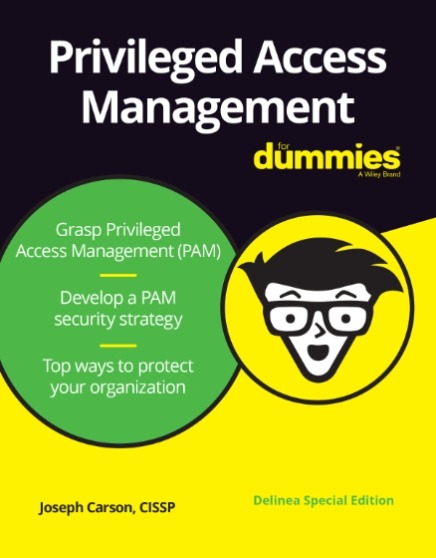
📘 Free Guide: Privileged Access Management for Dummies
Get a practical introduction to PAM, including:
- What privileged accounts are
- Where they’re hiding in your systems
- How to defend against credential theft
- Steps to implement a PAM strategy
This article is posted at dummies.com

Please fill out the form to access the content